


| STOCK MARKET LIVE | BSE | NSE | ||||||
MUMBAI: As the joint US-Israeli military campaign against Iran enters its sixth day, global attention has zeroed in on the volatile Strait of Hormuz, where Iranian threats of closure have intensified amid retaliatory strikes on regional oil infrastructure. The conflict, which erupted on February 28 with preemptive airstrikes assassinating Supreme Leader Ayatollah Ali Khamenei and crippling key military sites, has triggered a sharp surge in crude oil prices, exacerbating fears of widespread economic disruption.
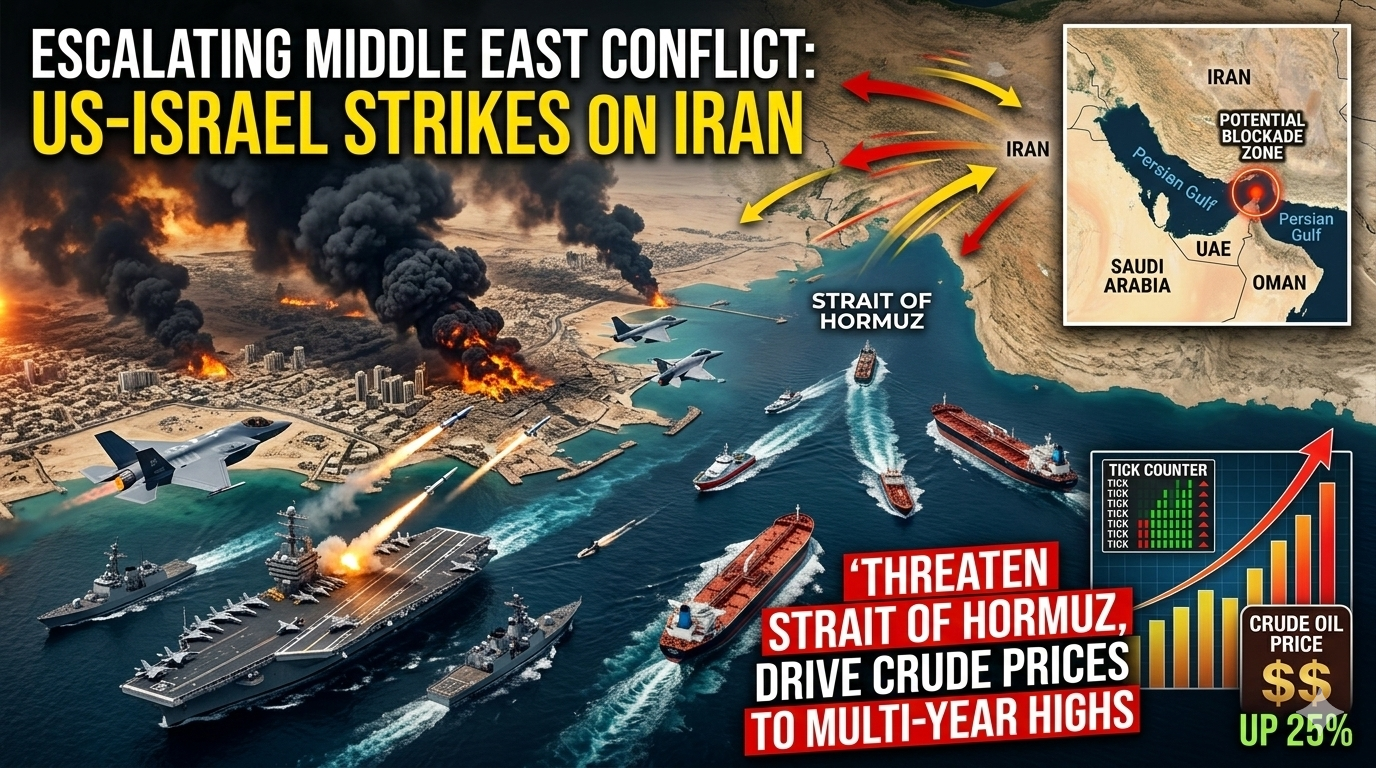
The Strait of Hormuz, a narrow chokepoint between the Persian Gulf and the Gulf of Oman, handles approximately 20% of the world's oil shipments—around 21 million barrels per day. Iranian officials, including interim President Masoud Pezeshkian, have repeatedly warned that any US or Israeli vessels attempting to traverse the waterway would be targeted, labeling it a "red line" in response to the ongoing bombardment. Despite these threats, the strait remains open as of March 5, with commercial tanker traffic continuing under heightened naval escorts from US and allied forces. However, incidents of harassment have been reported: Iranian speedboats shadowed two oil tankers on March 3, and unconfirmed drone sightings prompted temporary halts in shipping lanes.
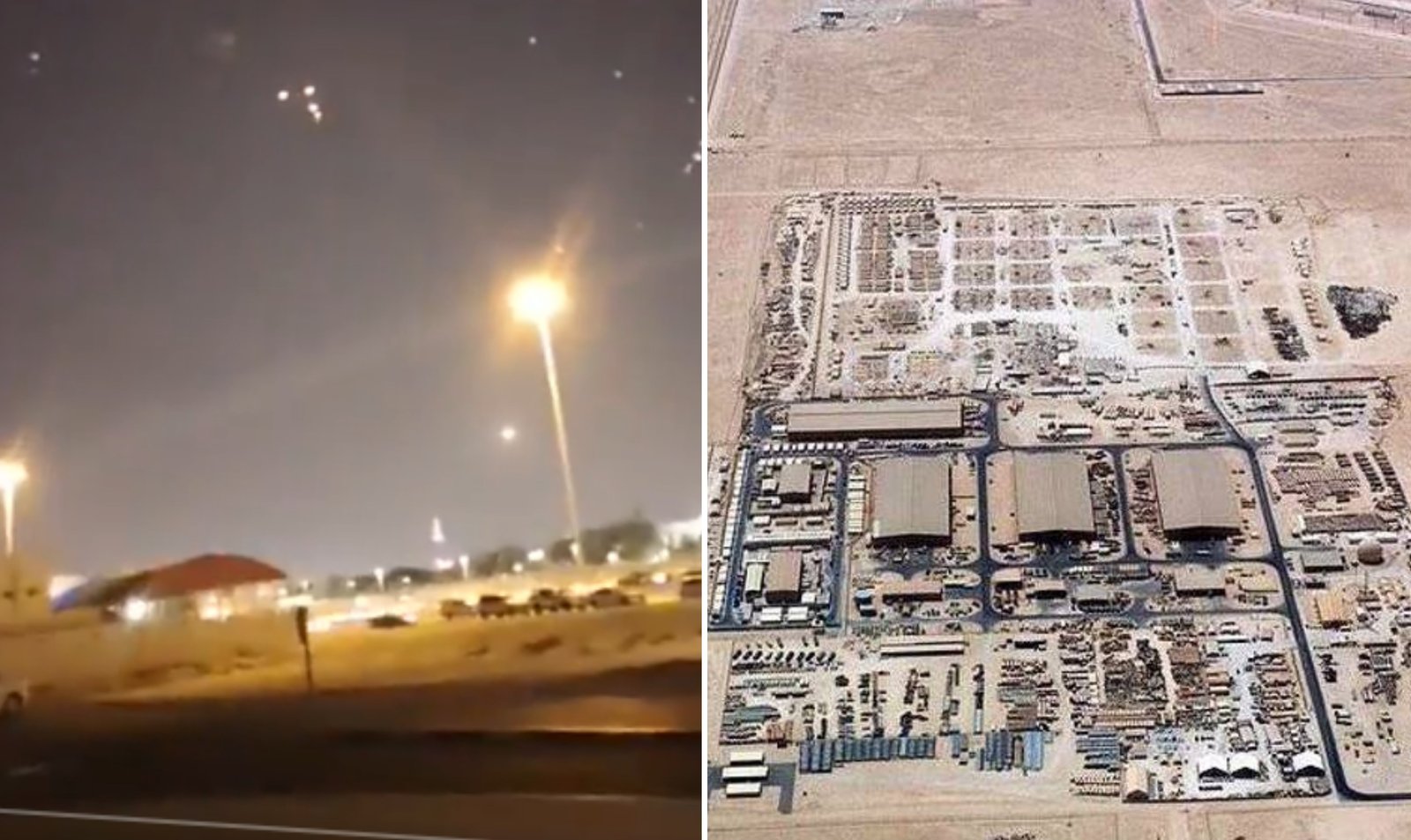
Iran's retaliation has extended beyond rhetoric, with missile and drone attacks striking oil facilities in Gulf allies. On March 2, ballistic missiles hit Saudi Arabia's Aramco oil field near Dhahran, causing fires that reduced output by an estimated 500,000 barrels per day. Similar strikes targeted the UAE's Jebel Ali port and Qatar's Ras Laffan natural gas terminal, while a drone assault ignited a blaze at Kuwait's Mina Al-Ahmadi refinery. These actions, aimed at punishing nations perceived as US enablers, have directly fueled supply fears. US Central Command confirmed intercepting over 50 Iranian projectiles aimed at shipping routes since the war's onset, but analysts warn that a full blockade could halve global oil flows overnight.
The economic fallout has been swift and severe. Brent crude futures surged 15% in the past week, closing at $112.45 per barrel on March 4— the highest since 2022. West Texas Intermediate (WTI) climbed to $108.20, up 14% amid panic buying and speculative trading. The price spike reflects not only disrupted Gulf production but also broader market jitters over potential escalation. "The Strait of Hormuz is the artery of global energy; any constriction here could push prices toward $150 or more," said energy economist Dr. Fatima Al-Rashid of the Oxford Institute for Energy Studies. Stock markets tumbled globally, with the Dow Jones dropping 3.2% on March 3, while Asian indices like India's Sensex fell 2.8% amid import cost concerns.
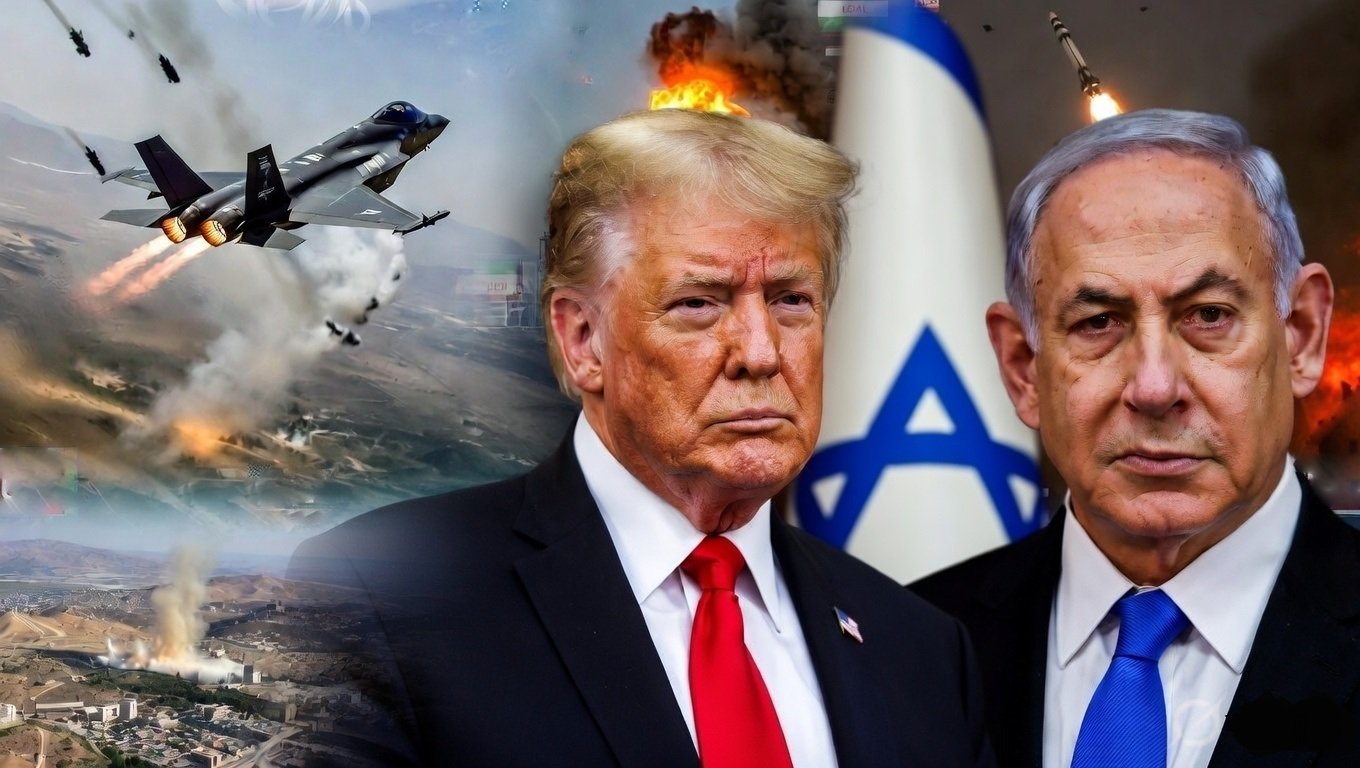
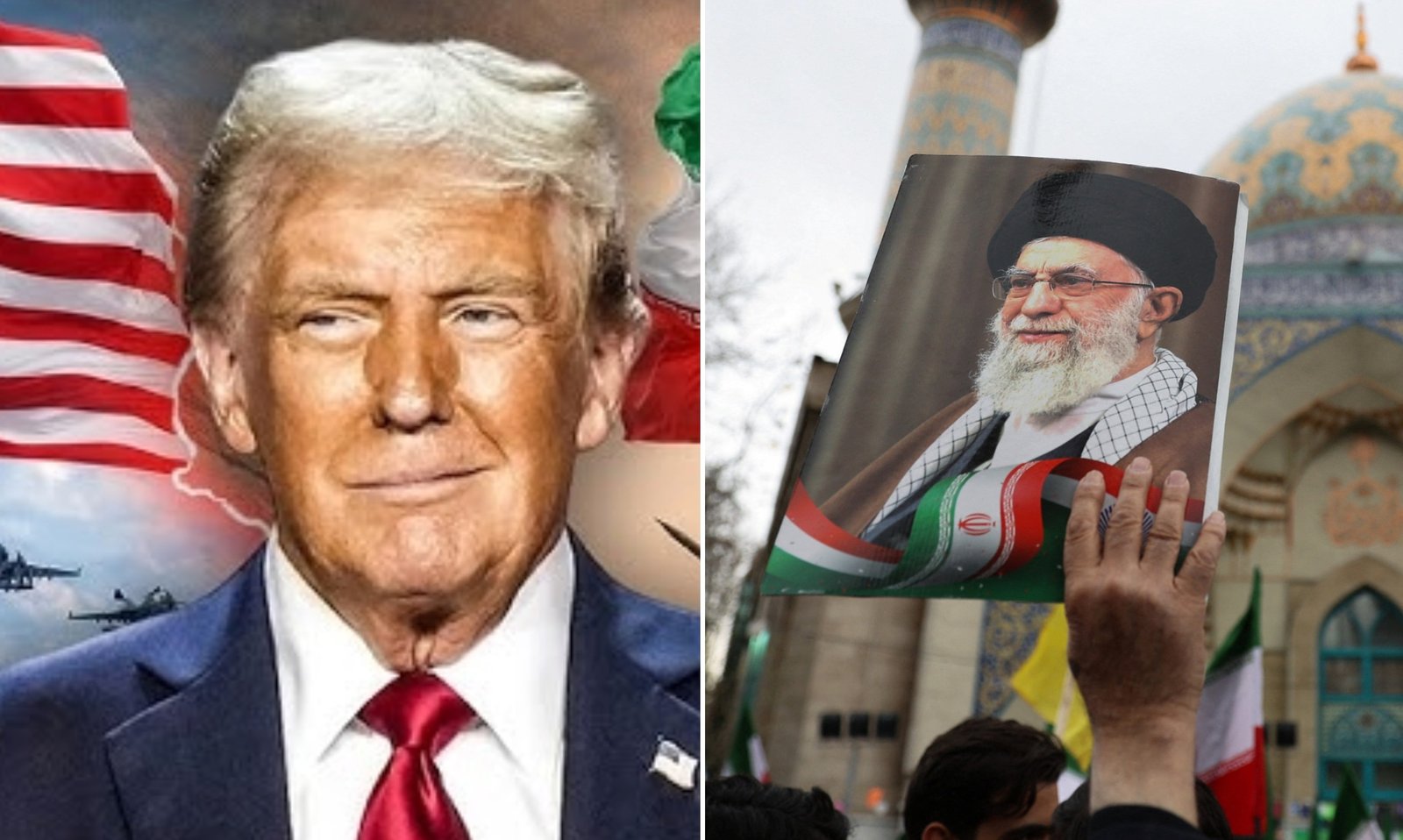
US President Donald Trump, addressing the nation from the White House on March 4, dismissed Iranian threats as "bluster from a dying regime," vowing to expand strikes while protecting vital sea lanes. "We're winning bigly— their missiles are down 70%, and we'll keep the oil flowing," Trump stated, announcing additional carrier groups to the region. Israeli Prime Minister Benjamin Netanyahu echoed this, promising "swift retribution" for any strait interference.
Iran, meanwhile, has declared the strait a "war zone" for adversaries but assured neutral shipping safety— a stance contradicted by hardliners in the IRGC, who pledged asymmetric warfare against tankers. Casualties mount: Over 800 reported killed, including 120 civilians in Iranian strikes on Gulf targets. The UN Security Council convened an emergency session on March 5, with China and Russia condemning the US-Israel actions as "aggressive unilateralism" that risks global recession.
As tensions simmer, energy experts predict sustained volatility. For oil-dependent economies like India and Europe, higher prices could stoke inflation and slow growth. The conflict's trajectory hinges on the strait: If Iran acts on its threats, the world could face an energy crisis unseen since the 1970s. For now, the waterway flows, but under the shadow of war.
Reporter
Crisp, and to the point news coverage from India and around the world.
View Reporter News