







| STOCK MARKET LIVE | BSE | NSE | ||||||
Lethal viruses are awakening once more
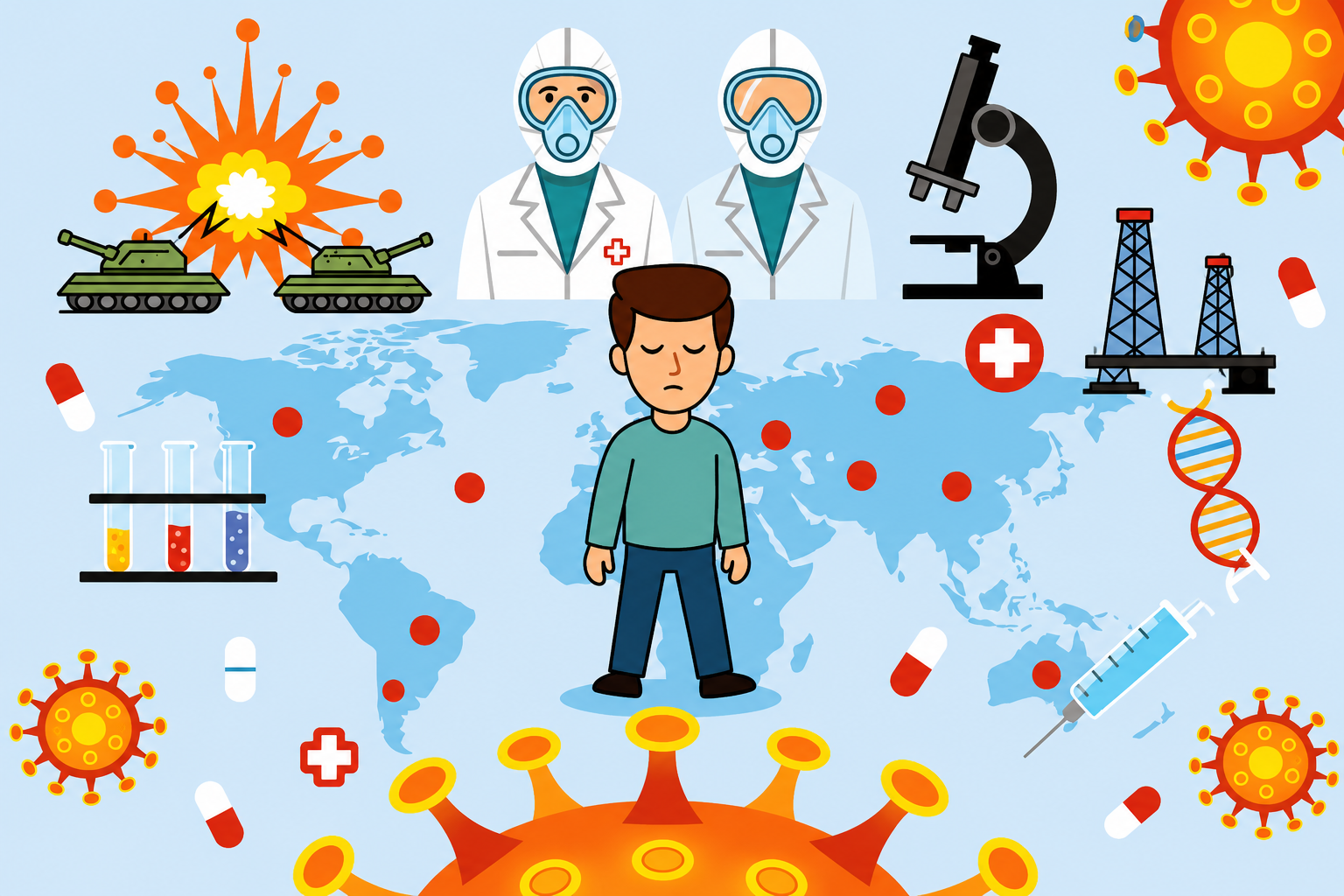
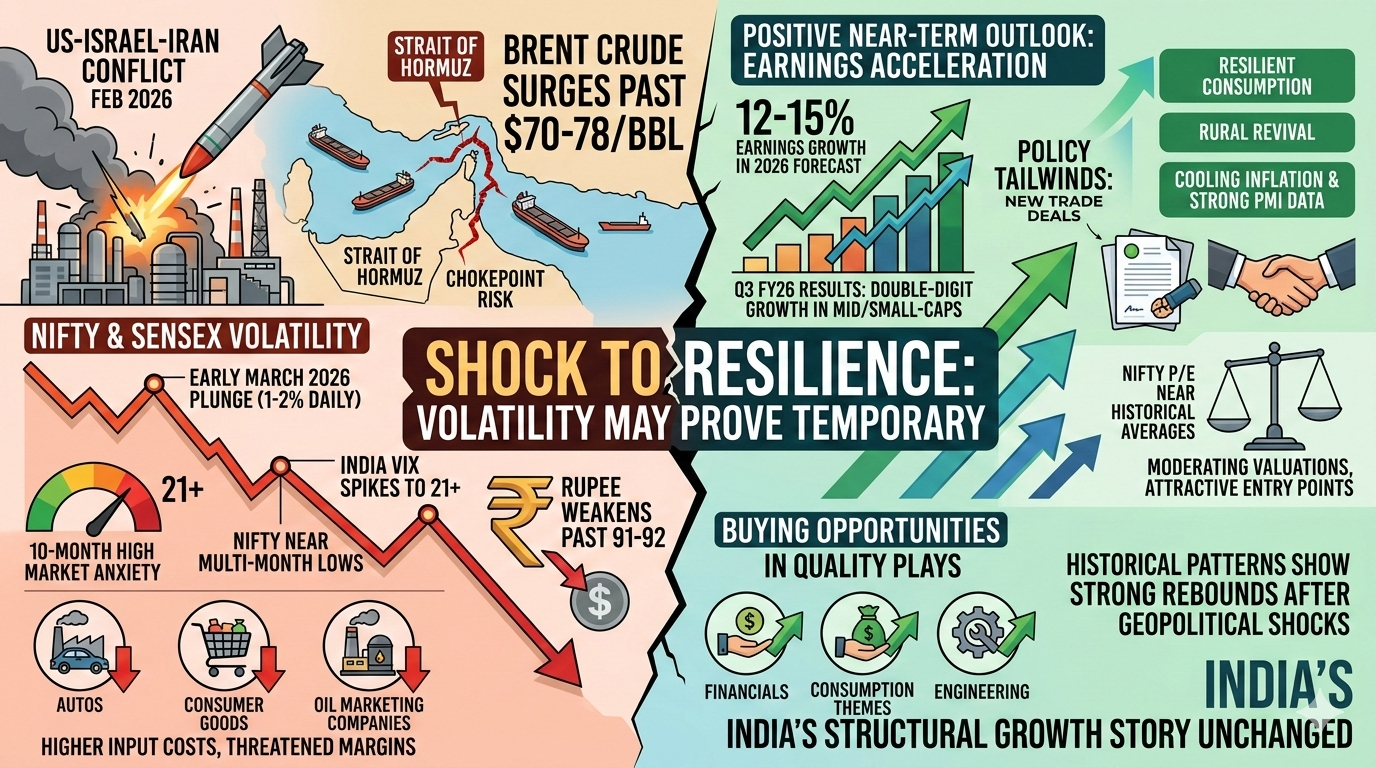
MUMBAI: As geopolitical tensions dominate headlines like the war, Strait of Hormuz, and oil prices, the world's attention has drifted from quieter but potentially more lethal threats. In the shadows, viruses like Hantavirus and Ebola are reasserting themselves, reminding us that infectious diseases respect no borders, ceasefires, or market cycles.
With fresh outbreaks unfolding in 2026, the question looms: are we prepared for another global health disaster, or has complacency set the stage for catastrophe? Recent events underscore the risk. In early May 2026, a cluster of severe respiratory illness struck passengers and crew aboard the MV Hondius cruise ship in the Atlantic.
By May 8, the World Health Organisation (WHO) confirmed eight cases of Hantavirus (including the Andes virus variant), with three deaths, a stark 38% fatality rate. Hantaviruses, primarily rodent-borne, cause severe pulmonary or renal syndromes and spread through aerosolised urine, droppings, or saliva. This multi-country incident, involving international travellers, highlights how globalisation turns localised zoonoses into transnational events.
Simultaneously, the Democratic Republic of Congo grapples with a new Ebola outbreak in Ituri Province. As of mid-May 2026, authorities report 246 suspected cases and around 65-80 deaths, linked to the Bundibugyo strain. Community deaths suggest an undetected spread for weeks, complicating containment in a conflict-affected, remote region near Uganda. Unlike some prior outbreaks of Zaire Ebola, for which vaccines or treatments were available, this variant poses fresh challenges.
Cross-border risks are real. These incidents occur against a backdrop of broader vulnerabilities. Climate change, deforestation, and human encroachment on wildlife habitats accelerate zoonotic spillovers. Rodent populations boom with environmental shifts, boosting Hantavirus risks, while fragile health systems in conflict zones struggle with Ebola surveillance.
Post-COVID fatigue has eroded funding, trust in institutions, and international coordination. Analysts warn of compounding factors. Weakened WHO and national preparedness mechanisms, politicised science, and vaccine hesitancy create fertile ground for escalation. A Hantavirus with sustained human-to-human transmission or an Ebola variant evading current tools could overwhelm systems already strained by routine outbreaks.
History offers harsh lessons. COVID-19 exposed how quickly a novel pathogen can upend our lives. Ignoring "slow-burn" threats like these viruses courts repetition. Geopolitical distractions divert resources: when superpowers focus on war, oil and energy security, global health security slips down priority list.
Reporter
Rajesh is our Senior Consulting Editor, a veteran financial journalist and financial literacy educator. He brings a wealth of experience to his work, combining deep market insights and editorial integrity with top-tier journalism and publishing expertise.
View Reporter News